
Why Your Drywall Is Cracking (And When to Worry)
Alejandro Cortes • December 15, 2025
If you have lived in a Northwest Arkansas home for more than a year or two, you have probably noticed a crack or two in your drywall. Before you panic, know that most drywall cracks are completely normal and nothing to lose sleep over.
But some cracks do signal bigger problems. Here is how to tell the difference.
The Normal Stuff
New homes settle. It is just what they do. As the lumber dries out and the foundation adjusts to the soil beneath it, small cracks appear around door frames, window corners, and where walls meet ceilings. This is especially common in Northwest Arkansas where our clay heavy soil expands and contracts with the seasons.
Hairline cracks that run along seams or radiate from the corners of doors and windows are almost always cosmetic. They look annoying, but they are not telling you anything is wrong with your house.
When to Pay Attention
Not all cracks are created equal. You should have someone take a closer look if you notice:
- Cracks wider than a quarter inch
- Horizontal cracks running along the wall
- Cracks that keep coming back after you repair them
- Stair step patterns in the drywall, especially in corners
- Doors or windows that suddenly stick or will not close properly
- Cracks accompanied by bulging or bowing walls
These patterns can indicate foundation movement, structural settling, or moisture problems that go beyond simple cosmetic fixes.
What About Humidity?
Our Arkansas humidity swings from bone dry in winter to thick and muggy in summer. That constant expansion and contraction stresses drywall joints over time. Bathrooms and laundry rooms tend to show this wear first because they experience the most moisture fluctuation.
Running exhaust fans and maintaining consistent indoor humidity helps slow this process down considerably.
The Bottom Line
Most drywall cracks in Northwest Arkansas homes are cosmetic nuisances, not emergencies. A skilled drywall professional can patch them so you would never know they existed. But if your cracks fit the warning signs above, it is worth getting an expert opinion before you simply mud over the problem. Sometimes a crack is just a crack. Sometimes it is your house trying to tell you something.
Got cracks that keep coming back? Superior Drywall & Finishing can assess the damage and recommend the right repair approach for your situation.
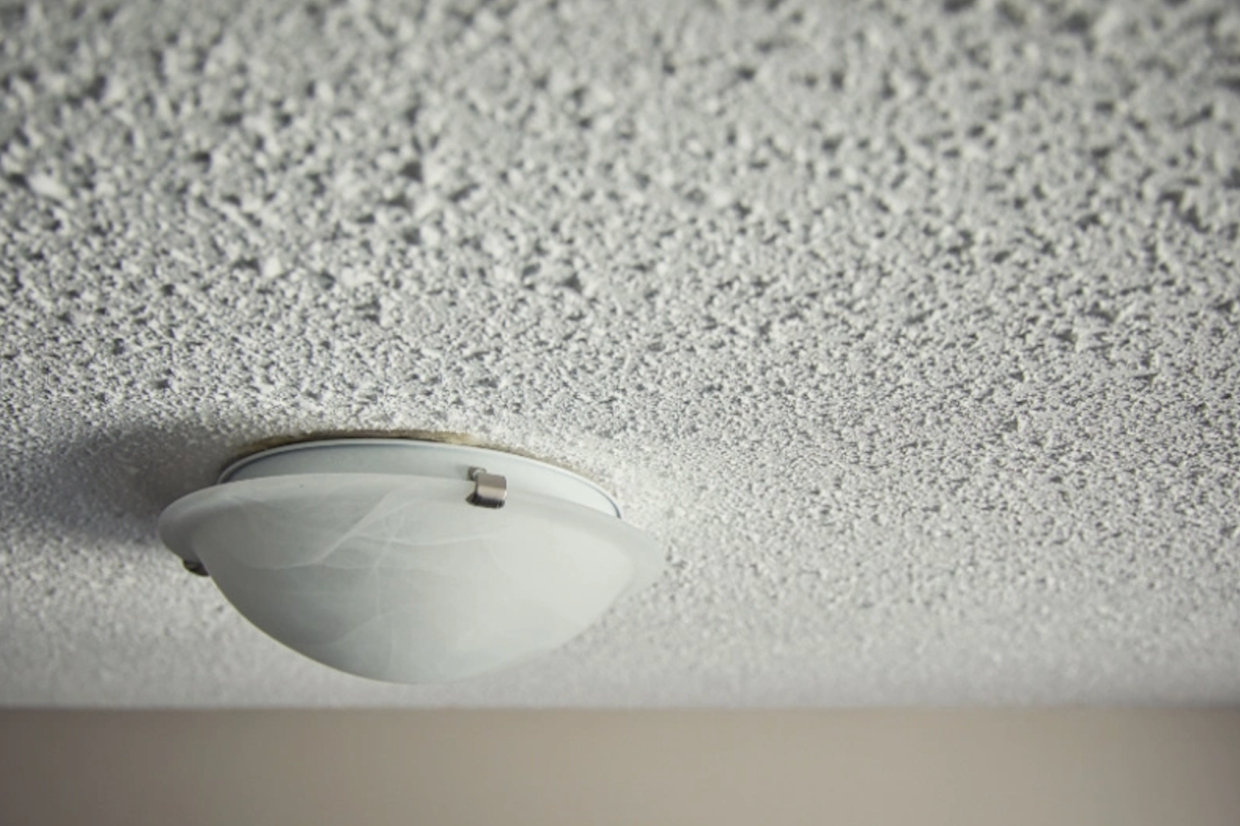
Popcorn ceilings were everywhere in homes built from the 1950s through the 1980s, and Rogers has plenty of them. If you have been staring up at that dated texture and wondering what it would take to get rid of it, you are not alone. Homeowners across Rogers, Bentonville, and Springdale are removing popcorn ceilings to update their homes and create a cleaner, more modern look. Why Homeowners Are Making the Switch Popcorn texture was originally popular because it hid imperfections and was quick to apply. But styles have changed, and now that bumpy surface makes homes feel stuck in another decade. Beyond aesthetics, popcorn ceilings collect dust, are nearly impossible to clean, and make painting a nightmare. Removing the texture opens up your options. You can go with a smooth, modern finish or choose a subtle texture like knockdown that looks current without showing every flaw. Either way, updated ceilings make a noticeable difference in how your entire home feels. The Removal Process Popcorn ceiling removal is messy work, which is why most homeowners hire professionals rather than attempting it themselves. The basic process involves wetting the texture to soften it, scraping it off carefully, and then repairing and finishing the ceiling underneath. What many people do not realize is that the ceiling under the popcorn often needs significant work. Seams, fastener marks, and imperfections that were hidden by texture become visible once it is gone. A proper job includes skim coating or finishing the ceiling to a smooth, paint-ready surface. The timeline depends on the size of your home and the condition of the ceilings underneath. Most rooms can be completed in one to two days, while a whole-house project in Rogers or nearby Lowell might take a week or more. Considerations for Older Homes Here is something important for homeowners in older Northwest Arkansas neighborhoods. Popcorn texture applied before 1980 sometimes contains asbestos, which was used as a binding agent before its health risks were understood. Homes in established Rogers neighborhoods and parts of Springdale and Fayetteville may fall into this category. If your home was built before 1980, get the texture tested before any removal work begins. Testing is inexpensive and gives you peace of mind. If asbestos is present, the removal requires specialized abatement procedures and should only be handled by certified professionals. What to Expect for Cost Popcorn ceiling removal costs vary based on square footage, ceiling height, and the condition of the surface underneath. Homes with asbestos-containing textures will cost more due to abatement requirements. Getting an in-person estimate is the only way to know what your specific project will cost. The investment is worth it for most homeowners. Updated ceilings improve your daily experience in the home and add value if you decide to sell down the road. Ready to Update Your Ceilings If you have been putting off popcorn ceiling removal because you were not sure what was involved, hopefully this clears things up. Superior Drywall & Finishing handles popcorn removal for homeowners throughout Rogers, Bentonville, Springdale, and all of Northwest Arkansas. Reach out for a free consultation and find out what it would take to finally get rid of those dated ceilings. .
Centerton has become one of the fastest-growing communities in Northwest Arkansas, with new homes going up in neighborhoods throughout the city and into Little Flock and Pea Ridge. If you are building a custom home or working as a builder in the area, understanding the drywall phase helps keep your project on schedule and sets you up for a quality finished product. When Drywall Happens in the Construction Timeline Drywall installation cannot begin until several other phases are complete and inspected. Electrical wiring, plumbing rough-ins, HVAC ductwork, and insulation all need to be finished and approved before the first sheet of drywall goes up. Rushing this sequence leads to problems that are expensive to fix once walls are closed up. In most Centerton new builds, drywall work begins somewhere between weeks 8 and 12 of construction, depending on the size of the home and how smoothly earlier phases went. The drywall phase itself typically takes one to three weeks from hanging through final finishing. Coordinating With Other Trades Good communication between the drywall crew and other contractors makes a noticeable difference in the final result. Electricians need to know where sconces and outlets will land so boxes sit flush with the finished wall surface. HVAC crews need to secure ductwork properly so vibration does not cause cracks down the road. Builders in Centerton, Little Flock, and surrounding areas who work with experienced drywall contractors avoid the finger-pointing that happens when trades do not coordinate. The best projects have everyone on the same page before drywall begins. Common Issues in New Construction New homes settle during the first year or two, which can cause minor cracks around door frames and where walls meet ceilings. This is normal in Northwest Arkansas construction due to our soil conditions and seasonal humidity swings. Quality installation with proper fastening patterns and joint techniques minimizes these issues. Another common problem is nail pops, where fasteners push through the surface as lumber dries and shrinks. A reputable drywall contractor addresses these during a warranty callback rather than leaving homeowners to deal with them. Why Quality Matters for Inspections and Beyond Home inspectors look closely at drywall work during final inspections and pre-closing walkthroughs. Visible seams, uneven surfaces, and poor finishing reflect badly on the entire build and can delay closings. More importantly, the drywall work is something homeowners look at every single day for years to come. Investing in quality drywall installation and finishing during new construction costs less than fixing problems after the fact. It also protects your reputation as a builder when buyers recommend you to friends and family. Building in Centerton or Nearby Communities Whether you are a homeowner building your dream house or a builder developing lots in Centerton, Little Flock, Pea Ridge, or Cave Springs, having a reliable drywall contractor matters. Superior Drywall & Finishing has worked on new construction projects throughout Northwest Arkansas and understands what local builders and homeowners expect. Reach out for a consultation on your upcoming project and see why builders across NWA trust us with their drywall work.