
Why DIY Texture Matching Fails and Costs You Thousands
Alejandro Cortes • December 2, 2025
I want to warn you about a costly mistake homeowners make constantly during renovations. They think texture matching is simple enough to handle themselves or trust to inexperienced contractors.
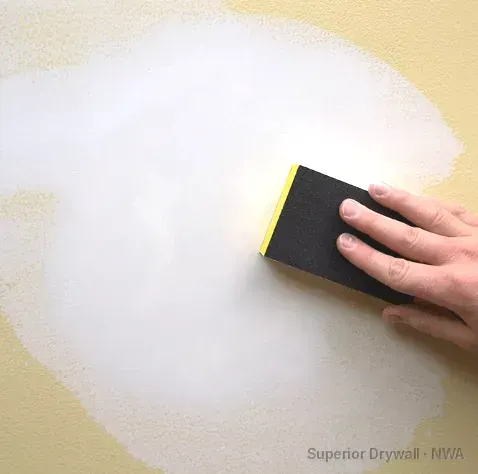
Then the remodel is finished and the newly repaired wall stands out like a neon sign. What should have blended seamlessly into the existing space screams "amateur repair." The real cost comes later when fixing the failed attempt costs significantly more than doing it right the first time.
Why Texture Matching Looks Easier Than It Actually Is
Homeowners see texture on walls and assume matching it requires just spraying the same pattern. The reality is far more complex. Matching involves understanding the original texture type, its age and weathering, application angle, spray pressure, material consistency, and environmental conditions. Even small variations become glaringly obvious once paint is applied. Professional contractors have years of experience recognizing texture variations that untrained eyes miss completely.
The Failures That Haunt Your Renovation
- DIY texture matching attempts typically result in:
- Noticeable texture pattern differences that catch light differently
- Color variations between old and new sections even with identical paint
- Texture density mismatches making repairs obviously visible
- Poorly blended edges where textures transition abruptly
- Compound buildup from multiple failed attempts requiring removal and rework
Why This Becomes Expensive Fast
Failed texture matching requires removing the botched repair and starting over. This means stripping texture, repairing drywall underneath, and attempting matching again. Each failed attempt eats time and money while making the wall worse. What starts as a minor repair can quickly turn into a major project if left unchecked.
Professional drywall remodelers match existing textures seamlessly because they understand the craft. They assess your space, replicate the exact pattern and finish, and blend repairs so completely that you can't tell where the work was done. The renovation looks like it was always part of your home.
Contact NWA Superior Drywall for texture matching expertise that delivers invisible, seamless renovations.

You're standing in a showroom comparing two wall samples, and one catches your eye immediately. But is it the right choice for your home? The decision between smooth and textured drywall finishes affects how your walls look, perform, and how much you'll invest in your remodel. At Superior Drywall & Finishing, I've helped hundreds of homeowners in Northwest Arkansas navigate this exact decision. The truth is that there's no universally "best" answer. In this guide, I'll walk you through everything you need to know about smooth versus textured drywall so you can decide with confidence.

I understand the confusion when contractors start talking about drywall finishing levels. The terminology sounds technical, and homeowners wonder if paying more for Level 5 is actually worth it or just another way contractors charge extra. The truth is that these finishing standards exist for real reasons, and understanding the difference helps you make smart decisions about your project investment. What the Finishing Levels Actually Mean Drywall finishing levels are industry standards that describe how smooth and flawless your walls will be. Level 4 provides a smooth finish suitable for most residential applications. Level 5 takes it further with an ultra-smooth, paint-ready surface that shows virtually no imperfections. The difference lies in preparation time, materials, and skill required. When Level 4 Is Perfectly Adequate Level 4 finishing works well for most homes and apartments. It creates walls that look professional and paint-ready, hiding joint compound seams and tape effectively. For standard living rooms, bedrooms, and hallways, Level 4 meets expectations and keeps costs reasonable. You get clean, attractive walls without excessive expense. When Level 5 Makes a Real Difference: - Level 5 smooth finish becomes essential in specific situations: - High-end interiors where lighting creates dramatic shadows on walls - Rooms with large windows where natural light exposes every wall imperfection -Luxury homes where premium finishes are expected throughout -Commercial spaces demanding flawless aesthetics -Specialty lighting installations that highlight walls as design features The Cost Reality Level 5 costs more because it demands expertise, time, and precision. However, it's not always necessary. The decision depends on your home's design, lighting conditions, and personal expectations rather than contractor recommendations alone. Walk your space with a drywall contractor during different times of day. Observe how light interacts with your walls. This determines whether premium finishing justifies the investment for your specific project. Contact NWA Superior Drywall to discuss which finishing level matches your home's needs and lighting conditions.